Choosing the right Tracksuit For Sports is more practical than selecting a fashionable color. A well-designed tracksuit should support movement, temperature control, comfort, and repeated washing. McKinsey & Company and the World Federation of the Sporting Goods Industry reported that the global sporting goods market grew by approximately 6% annually between 2021 and 2023. This growth reflects stronger demand for versatile athletic clothing, including garments used for training, travel, warm-ups, and casual activity.
Fit matters first. A jacket should allow the shoulders to rotate without pulling across the back. Trousers should taper securely, yet leave room for a full stride or deep squat. Look for moisture-wicking polyester, mesh ventilation, and stretch panels around the knees or hips. These details become noticeable during a long run, when damp fabric can cling uncomfortably to the skin. The American College of Sports Medicine also emphasizes clothing choices that support thermoregulation during exercise, especially in changing environments.
Weather changes quickly.
For outdoor sessions, a lightweight shell can help resist wind and light rain. For indoor training, breathable fabric may be more valuable than heavy insulation. The Global Organic Textile Standard and Textile Exchange provide useful guidance on certified fibers and responsible material sourcing, although certification alone does not guarantee perfect performance. That is an important limitation. Product labels can sound impressive, but real comfort depends on construction, sizing, and personal activity.
This guide examines fabric, fit, durability, climate, and sport-specific design. It also questions common assumptions, because the most expensive tracksuit is not always the most suitable one.
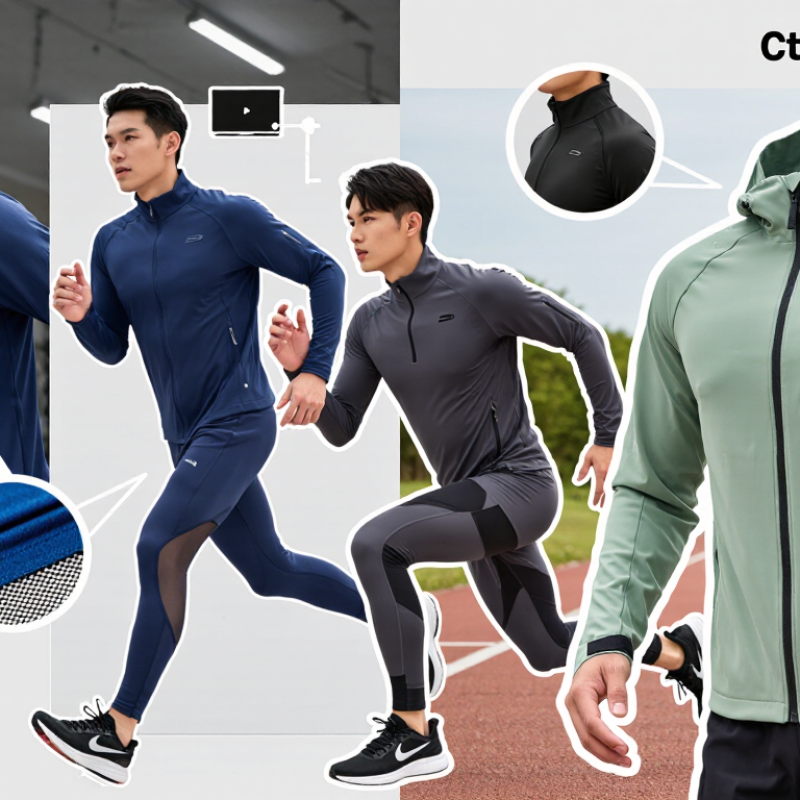
Define Your Sports Activity and Tracksuit Requirements
How to Choose the Right Tracksuit for Sports?
Define Your Sports Activity and Tracksuit Requirements
The right tracksuit begins with your actual sports activity, not its appearance. A runner needs light fabric, flexible knees, and ventilation around the back. A football player may need stronger seams and enough room for sudden turns. For outdoor cycling, a close fit can reduce wind resistance, but it should not restrict breathing.
Consider the training environment carefully. Indoor workouts often require breathable, quick-drying material because body heat builds quickly. Cold outdoor sessions need warmth, but heavy fabric can become uncomfortable after several minutes. Rainy conditions call for water-resistant outer layers, while sunny weather may require lighter colors and UV protection. Check the temperature before choosing a full set.
Fit matters more than a fashionable cut. Try raising your arms, bending your knees, and taking several long steps. Nothing should pull across your shoulders or tighten at the waist. I once chose a tracksuit that looked neat but had shallow pockets. My phone kept slipping out during warm-ups. That small mistake changed how I assess sportswear.
Look at the details. Secure zippers, flat seams, adjustable cuffs, and washable fabric improve daily use. Avoid overly loose trousers near moving equipment. Also, check the care label before buying. A fabric that loses shape after two washes is not a practical choice, even when it feels comfortable in the store.
Choose Suitable Fabrics for Comfort, Breathability, and Performance
Choosing a tracksuit starts with the fabric, not the color. During fitting sessions, I check how quickly the inner layer moves sweat away from the skin. Polyester knits can dry quickly, especially when their yarns and mesh zones are engineered for wicking. Cotton feels soft against the body, but it absorbs moisture and may stay heavy during long training. That difference becomes obvious after repeated sprints.
Look for breathable panels under the arms, across the back, and behind the knees. These areas often feel warm first. A 2024 Textile Exchange Materials Market Report estimated global fiber production at 132 million tonnes in 2023, with polyester representing about 57 percent. This scale explains its common use, but high production volume does not guarantee comfort or responsible sourcing. Check the fabric weight too. Lightweight fabric suits indoor exercise, while a denser knit offers better warmth outdoors.
A practical blend can balance softness, drying speed, and stretch. Nylon often improves abrasion resistance, while a small amount of elastane supports lunges and deep bends. Test the waistband while moving. It should stay secure without pressing into your skin. Breathability is not only a fiber issue; knit structure, fit, and ventilation matter equally. A loose jacket may ventilate better, yet excess fabric can catch during training. I sometimes choose a slightly imperfect fit for comfort, then regret it during faster drills. AATCC TM195 moisture-management testing can provide useful evidence, but personal movement tests still matter.
Select the Right Fit, Size, and Range of Motion
How to Choose the Right Tracksuit for Sports?
A tracksuit should support movement, not simply look athletic. During training, I check the shoulder seams, waistband, and knee area before judging the fabric. Raise your arms, bend deeply, and take several steps. Notice the tension.
The right fit follows your body without clinging tightly. A jacket should close comfortably over a base layer, leaving room for breathing and shoulder rotation. Sleeves must reach the wrists without covering your hands. Trousers should sit securely at the waist, but they should not press your stomach while running. Measure your chest, waist, hips, and inseam, then compare those measurements with the garment’s size chart. Sizes are not universal. Never guess.
Range of motion matters most during warm-ups, lunges, and quick changes of direction. Look for flexible panels around the shoulders, hips, and knees. Stretch the fabric gently; it should recover without becoming baggy. Lightweight materials can feel cooler, while slightly thicker fabrics may offer better coverage in windy conditions. I once chose a loose tracksuit for comfort, but the trousers caught on my shoes during drills. That mistake changed my fitting routine. Still, personal preference matters. Try the tracksuit with the shoes and layers you actually use. If movement feels restricted in the store, training will not improve it.
Compare Weather Protection, Layering, and Seasonal Features
Choosing a tracksuit starts with the weather, not the color or cut. The World Meteorological Organization reported that 2024 was the warmest year recorded, at about 1.55°C above the pre-industrial average. Sudden heat and heavier rain now deserve attention. Check your local forecast before training. A tightly woven outer layer helps block wind, while a breathable panel reduces trapped sweat. Water-resistant fabric suits light showers. Sustained rain needs sealed seams and a more protective shell.
Layering should match effort levels. A moisture-wicking base layer keeps sweat away from the skin. Add a light insulating layer when temperatures fall below your comfort range. Remove it before your back becomes damp. I often overdress for the first ten minutes, then regret it during intervals. That mistake is useful feedback. Your tracksuit should allow easy movement, especially around the shoulders, hips, and knees. Tight cuffs can trap heat, but loose cuffs may catch on equipment.
Seasonal features should solve specific problems. NOAA’s 1991–2020 Climate Normals can help compare typical temperature and precipitation in your training area. For winter sessions, choose a higher collar, adjustable hems, and reflective details for darker mornings. Summer designs need lighter fabric, ventilation zones, and strong ultraviolet protection. In wet autumn conditions, ankle-friendly zippers can prevent soaked hems. Small details matter. However, advertised breathability is not a guarantee. Test the outfit during a short session first, because personal sweat rates vary more than size charts suggest.
Check Quality, Maintenance Needs, and Overall Value
How to Choose the Right Tracksuit for Sports?
Check Quality, Maintenance Needs, and Overall Value
A good tracksuit should feel comfortable before it looks stylish. Check the fabric closely under bright light. Dense knitting usually resists early thinning and visible pilling. Run your fingers along the seams and waistband. Loose threads often reveal weak construction. The zipper should move smoothly without catching the fabric. I once bought a lightweight set that felt excellent in the store. After three washes, its cuffs lost their shape. That experience changed how I judge quality.
Maintenance affects the real cost of sportswear. Read the care label before buying. Some fabrics need cold washing, gentle cycles, or air drying. High heat can shrink elastic fibers and damage printed details. A practical tracksuit should dry reasonably quickly after training. It should also resist holding unpleasant odors. However, no material stays fresh without proper washing. Do not leave damp clothing inside a gym bag overnight. Small habits matter.
Value means more than a low purchase price. Compare stitching, fabric performance, repair options, and expected wearing time. A stronger pair of trousers may cost more but survive years of regular use. Consider your actual routine, not an imagined one. A thick tracksuit may suit outdoor winter training but feel uncomfortable indoors. I sometimes overvalue extra pockets and ignore breathability. That was not a smart choice. Before purchasing, bend, stretch, and walk in the set. Notice pressure around the shoulders, knees, and waist. Comfort during movement is evidence worth trusting.
Conclusion
Choosing the right Tracksuit For Sports begins with understanding your activity and performance needs. Different sports may require varying levels of flexibility, durability, ventilation, and protection. Select fabrics that feel comfortable against the skin, manage moisture effectively, and allow heat to escape during intense exercise. A well-designed tracksuit should also provide a suitable fit without restricting movement, so check the size carefully and make sure the shoulders, waist, sleeves, and legs allow a full range of motion.
Weather and seasonal conditions are equally important. Lightweight layers may be ideal for warm training, while insulated or water-resistant features can improve comfort in colder or wetter environments. Consider whether the tracksuit can be worn over other clothing without feeling tight. Finally, examine stitching, zippers, fabric strength, washing instructions, and long-term maintenance needs. The best choice balances comfort, performance, weather protection, durability, and price, helping you find reliable sportswear that remains practical through regular training and repeated use.
 Achieve
