Motor Sports Racing offers a thrilling world for aspiring racers and fans alike. Enthusiast and expert, Mark Johnson, once said, “The heart of racing is passion, grit, and learning.” This statement captures the essence of what it takes to dive into this dynamic sport. For beginners, the journey can be both exhilarating and overwhelming.
Understanding the basics is crucial. Beginners must familiarize themselves with different types of racing, safety gear, and regulations. Exploring local tracks and attending events can offer invaluable insights. Connecting with other racers helps build a community. However, the initial steps can feel daunting, and it's normal to have doubts. Finding the right mentorship is key.
Moreover, practice is essential in Motor Sports Racing. Each lap teaches something new, highlighting areas for improvement. Learning from mistakes is part of the game. Embrace the challenges; they pave the way to growth. Every race is an opportunity to refine skills and fuel your passion.
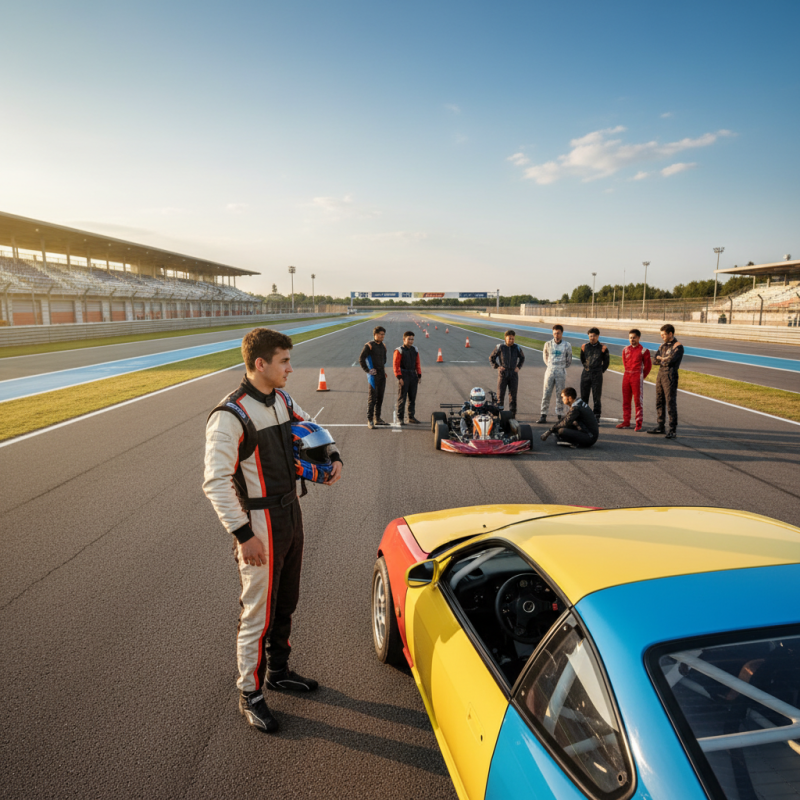
Motor sports racing captivates enthusiasts with its thrilling moments and technical challenges. For newcomers, understanding the fundamentals is essential. According to a report by the International Automobile Federation (FIA), the global motor sports market accounted for approximately $7 billion in 2022. This figure highlights the sport's expansive reach and growing popularity. Whether you are an aspiring driver or a dedicated fan, grasping key concepts can make a difference.
Many newcomers may not realize the range of motor racing types available. From Formula racing to rallying and karting, each category has unique requirements. For example, karting is often the entry point for many future champions. It offers a cost-effective way to understand driving dynamics without the hefty price tag of full-sized cars. A study by the Motorsports Industry Association (MSA) indicates that 45% of professional drivers started in karting. This emphasizes its value as a foundational experience for budding racers.
Additionally, safety plays a crucial role in motor sports. Understanding regulations and equipment standards can be overwhelming. According to research, nearly 20% of new drivers face challenges in adapting to safety protocols. It is vital to engage in regular training and seminars to stay informed. Overall, immersing oneself in the basics can lead to a rewarding journey in motor sports, despite the hurdles that may arise.
| Aspect | Details |
|---|---|
| Types of Motor Sports | Auto racing, Kart racing, Rally racing, Motorcycle racing |
| Basic Equipment Needed | Helmet, Racing suit, Gloves, Safety shoes, Racing vehicle |
| Initial Steps to Start | Enroll in a racing school, Join a local racing club, Practice at a karting track |
| Key Skills to Develop | Car control, Race strategy, Situational awareness, Team communication |
| Understanding Safety Measures | Use of safety gear, Knowledge of emergency procedures, Vehicle safety checks |
| Budget Considerations | Entry fees, Vehicle maintenance, Equipment cost, Travel expenses |
| Networking Opportunities | Attend motorsport events, Join online forums, Connect with experienced racers |
: Understanding rules prevents accidents and encourages fair competition. Ignoring them can lead to costly mistakes.
New racers must wear helmets, fire-resistant suits, and gloves. Underestimating these items can lead to severe injuries.
Beginners should take time to learn track limits, pit lane rules, and flag meanings. It’s crucial for safety.
Look for local racing schools or clubs. Introductory courses combine classroom education and hands-on experience.
Karting sharpens skills and builds confidence in a competitive environment. It’s an accessible entry point for beginners.
Networking with local racers can provide invaluable advice and mentorship. Engaging in the community supports your learning journey.
Expect setbacks and disappointments, as racing can be unpredictable. Coping with these challenges is part of the journey.
Social media can help you connect with other racers. These connections may lead to practice sessions and valuable feedback.
A strong safety culture ensures that all participants are aware of risks. It can significantly enhance the racing experience.
Beginners often rush to learn driving techniques and neglect safety regulations. This oversight can be dangerous and costly.
Getting started in Motor Sports Racing can be an exhilarating journey for beginners. It is essential to first understand the basics of this thrilling sport, which includes familiarizing oneself with the different types of racing available, such as karting, rally, or circuit racing, to find what sparks your interest. Choosing the right category is crucial for a fulfilling experience.
Equipping yourself with the necessary gear, such as helmets and protective clothing, ensures safety while you refine your skills. Learning the rules and safety regulations is imperative for both your protection and that of others on the track. Finally, finding local training and practice opportunities allows you to gain hands-on experience, paving your way to becoming an enthusiastic participant in the world of Motor Sports Racing.

 Achieve